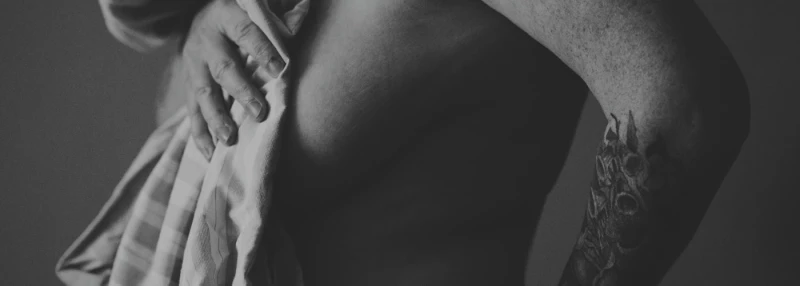
Once a Survivor, Always Your Own Advocate
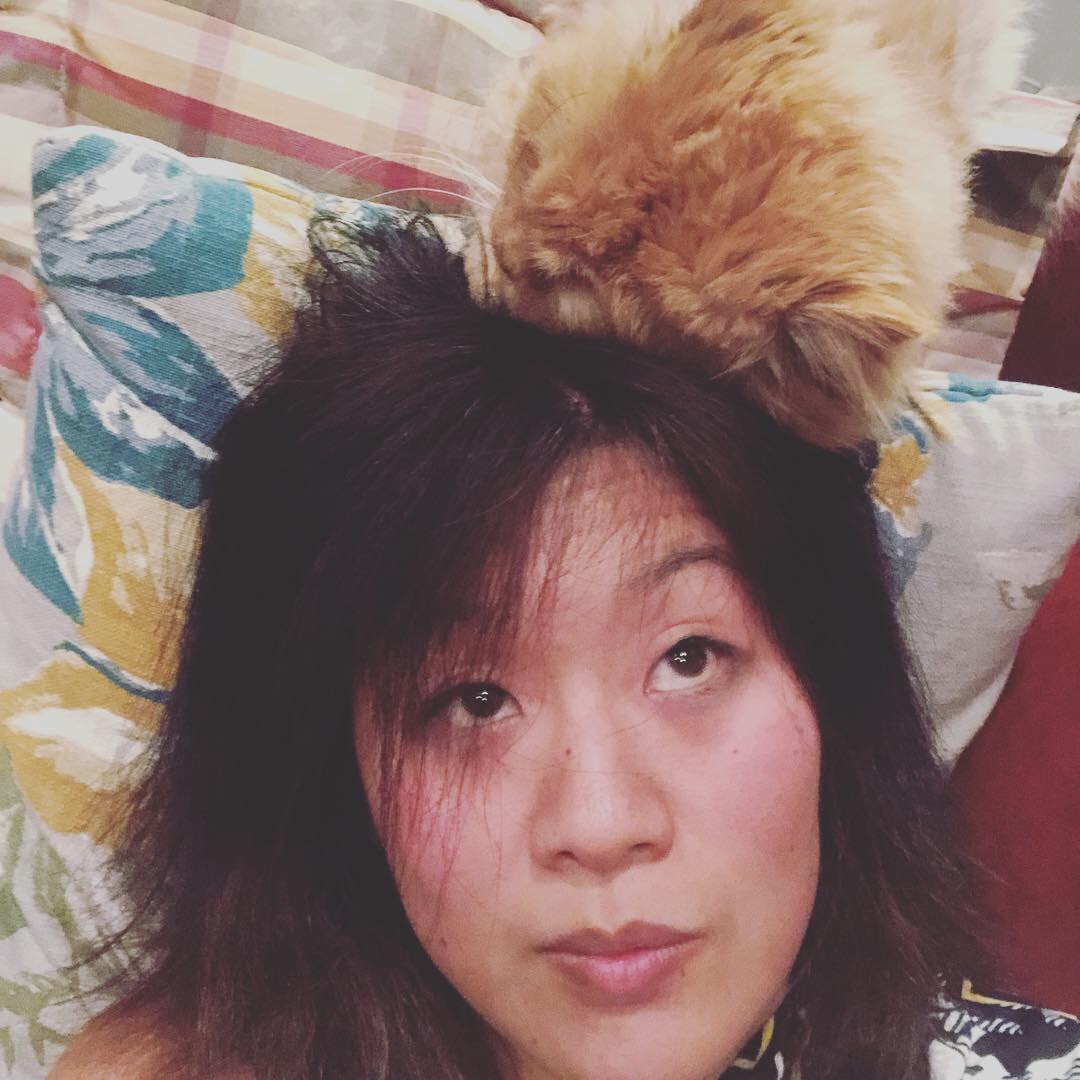

Amy Wu went through breast cancer at 37. Thirteen years later, her body sent new signals . Her instinct to listen made all the difference.
Amy’s first breast cancer diagnosis came at only 37 years old. Early-stage, treated with surgery to remove the tumor and aggressive radiation. She came through it, and what that experience taught her outlasted the treatment. A cancer history doesn't close when the last appointment ends. It follows you into every exam room for the rest of your life.
This past winter, Amy was reminded of this.
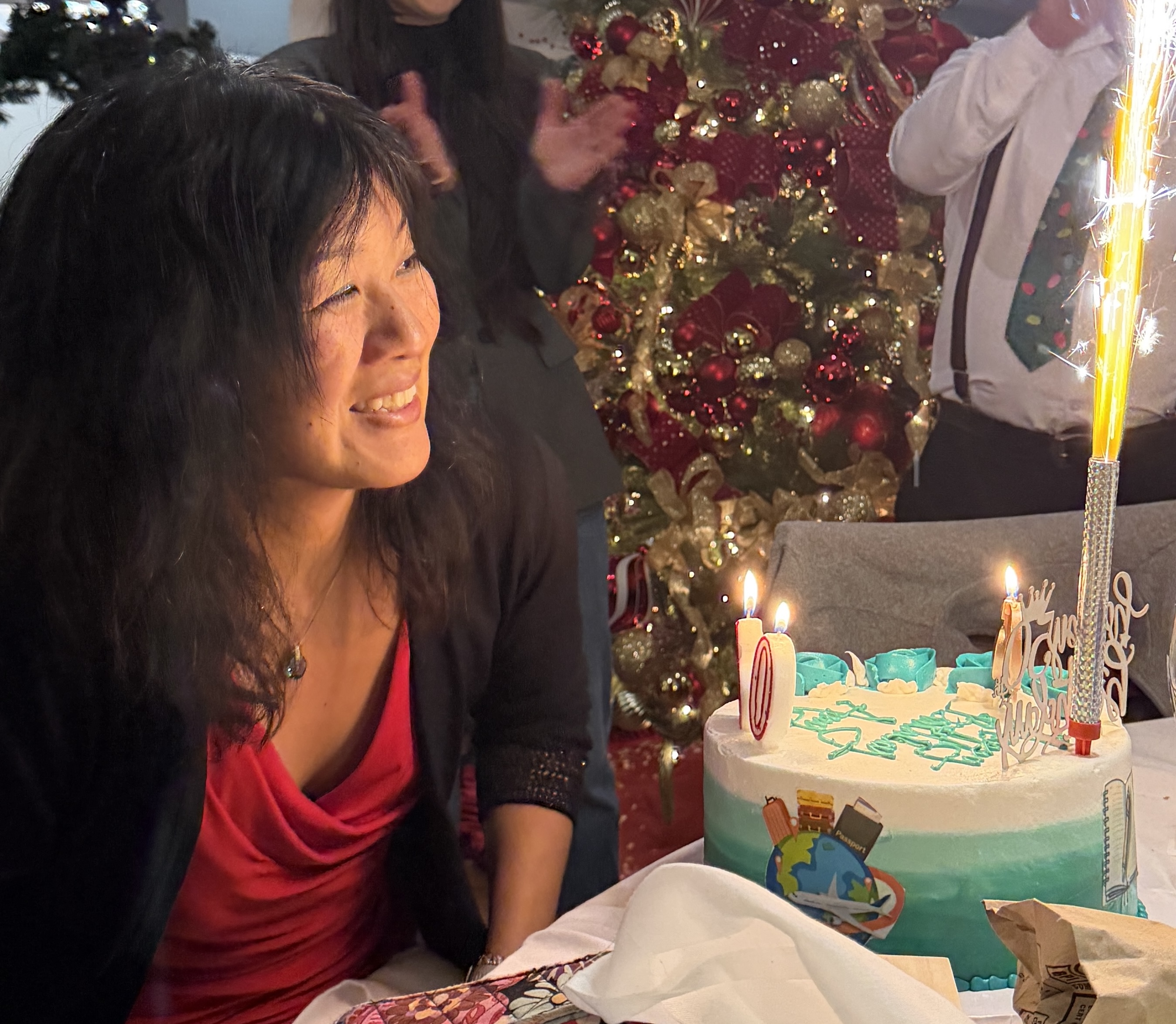
She had just turned 50, with a big party and a sparkler on the cake and family and friends telling her she looked youthful. She felt it, too. Then, soon after, her body started sending strange signals. Bleeding that didn't feel like a period. "It was like I had been shot," she says. Bloating. Other small clues that something was off.
She could have waited. Plenty of people would have. But Amy had learned to pay attention. "I listened to my body," she says, and that instinct set everything in motion. A series of tests in January led to a diagnosis of a precancerous condition in her uterus, with a hysterectomy recommended soon. Left untreated, it could have turned into something far more serious within a few years.
"I was in battle mode," she says. She admits she's no fan of surgery, but she also knew waiting wasn't really an option.
This is where her history as a young breast cancer survivor came back into the room. One part of her care was left up to her: whether to keep her ovaries. Her breast cancer past was part of that conversation, too. Her care team explained that people who've had breast cancer carry a slightly higher risk of ovarian cancer, and that there's no reliable way to screen for it. The history didn't make the decision for her. It just meant she couldn't make it lightly.
So she did what survivorship had trained her to do. She gathered information, talking with dozens of friends and medical professionals. She pulled up genetic testing from a couple of years earlier, which showed no inherited link to ovarian cancer. She got a bone density test that flagged early signs of osteoporosis, a sign that her own ovaries were still working in her favor. Then she made a decision that was hers, built on her own facts: she would keep them.
The morning of her surgery, the operating room briefly became something like a classroom. Amy looked around at the seven or eight people who would care for her and told them what she needed them to know. "My biggest goal is that I live a full life," she said. "I am not a diminished person after this. I am a vibrant person. I am fit. I am sparkly."
Ten days later, the pathology came back clean. No cancerous cells. She did a quiet happy dance, and then a second one, because the report confirmed what she had trusted all along. Listening to her body, and to her own data, had been right twice.
Recovery has come with its own lessons. She felt good enough a few days in to visit a museum, overdid the walking, and has been pacing herself since. She couldn’t swim for six weeks, hard for someone who lives in the pool. So she went to the Y anyway, sat at the edge, and put her feet in the water. "It felt like being baptized," she says. A reconnection to the water, and to hope.
These days, Amy talks about her health as her first priority, without apology. "Without my health, I am nothing, and I can't help other people," she says. She traded sugary drinks and coffee for tea, and wine for the occasional mocktail, following what her body asked for. And she keeps a "live list" she started before turning 50: take a road trip, do a poetry reading, see a sunrise and a sunset in the desert, and tell the people she loves that she loves them, even the ones she's been angry with. "I don't take for granted that tomorrow could be my last day on earth," she says.
She credits some of her perspective to her father, who is 79 and, as she puts it, "like a fortune cookie. You open it up and something useful falls out." After her good news, he texted her to take it slow. When she asked what that meant, his answer stuck with her: spend your time on the things that appeal to you, and steer around the things that irritate you.
Amy came through a second scare the way she came through the first: by paying attention, asking hard questions, and trusting what she learned about her own body. That is what survivorship gives you for the long haul. Surviving young doesn't end the story. It makes you the expert on your own body, and your own best advocate, for life.
Stay curious. Keep your records. Ask the hard questions, and ask them again.
About the Author
Amy Wu
Patient Advocate & Long-Term Survivor
Amy Wu is a journalist, filmmaker, and storyteller who has volunteered with YSC many times over the years. She is also, by her own description, a vibrant person: fit, sparkly, and happiest in the water with her masters swim team. And she has faced cancer twice.